Phone:
(701)814-6992
Physical address:
6296 Donnelly Plaza
Ratkeville, Bahamas.

Phone:
(701)814-6992
Physical address:
6296 Donnelly Plaza
Ratkeville, Bahamas.
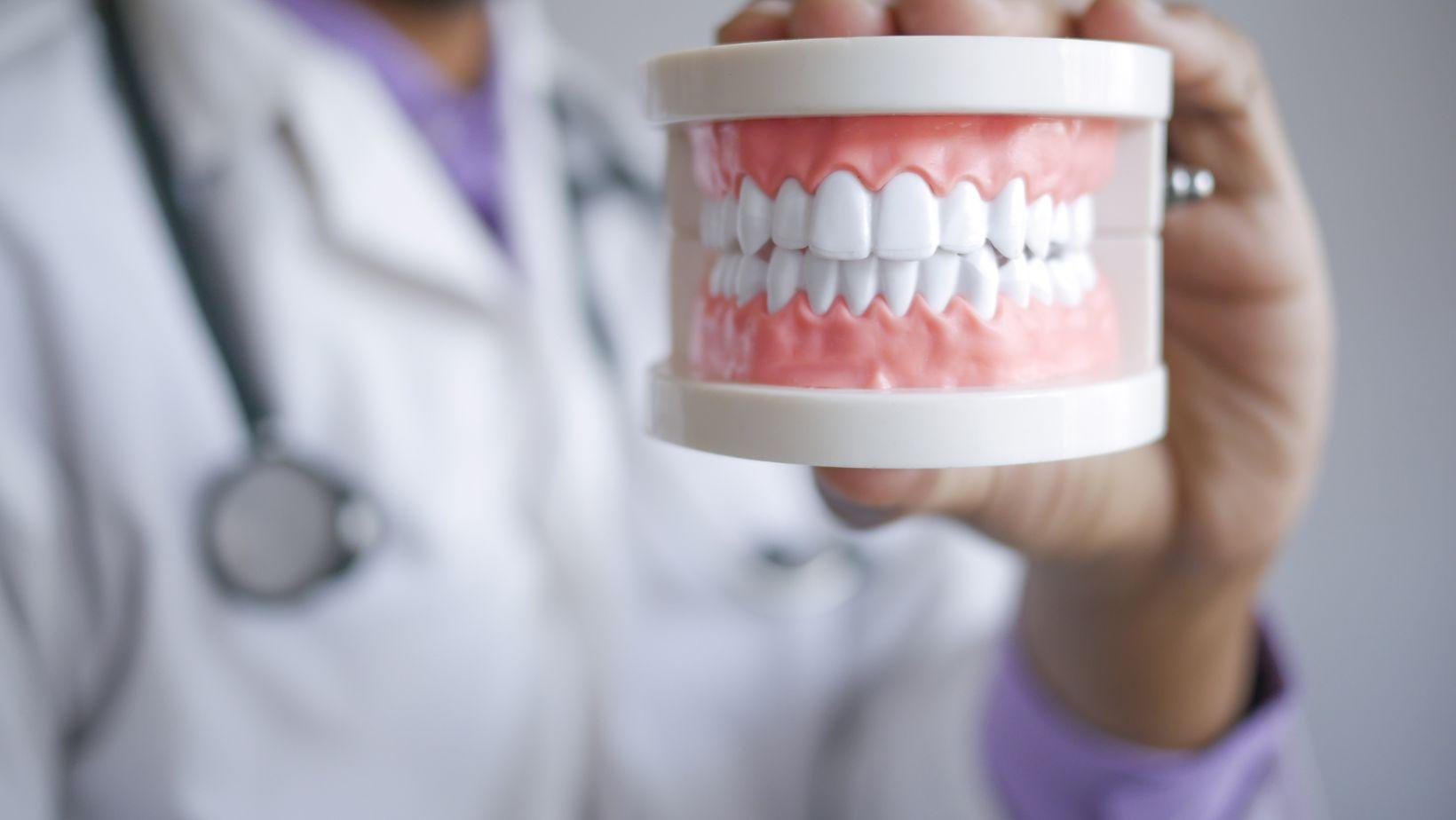
You don't have to spend a fortune to get durable, comfortable dentures. But you do need to know how to judge quality beyond the price tag.
Look for fit, materials, lab work, and follow-up care, because those factors determine whether dentures feel natural and last years rather than months. A dentist in Wilmington, NC can walk you through those quality markers and make sure your dentures are built and fitted to last.
Let's get into the practical indicators of quality, how to compare cost versus performance, what to ask about your provider and the dental lab, and the maintenance or hidden expenses that affect long-term value. You'll be able to spot smart savings from false bargains and make a choice that protects your comfort and budget.
You should look for specific, measurable signs: durable materials, a precise fit with minimal adjustment needs, and reliable function that protects your gums and bite. These factors determine comfort, longevity, and how well your dentures let you eat and speak.
Check the base and teeth materials. Acrylic bases are common and affordable, but higher-impact acrylic or flexible nylon can improve fracture resistance.
For teeth, heat-cured acrylic or composite teeth beat low-cost resin—they resist wear and staining much better over the years. Ask about expected lifespan and warranty.
Good labs use layered or cross-linked materials and will describe lab-processing steps like polymerization or finishing that reduce porosity. Look for consistent color and a smooth finish; rough surfaces trap plaque and wear out faster.
Think about maintenance needs. Durable materials handle routine relines and cleanings without breaking down.
If you want implants or precision attachments later, check that the base material can be modified without losing strength.
A quality fit starts with accurate impressions and a thorough bite record. You should feel even contact across the arch without rocking, and speech should normalize within a few days.
If you get persistent sore spots, ulcers, or constant slippage, that's a sign of poor fit or bad jaw relation records. Watch for these signs during try-ins: stable border seals on the maxilla, no excessive gagging, and a balanced bite in centric relation.
Your clinician should make adjustments rather than rely on multiple remakes. Expect one or two minor tweaks after delivery; frequent major adjustments or early relines usually mean something’s off.
Comfort also depends on thickness and weight. Thin, light denture bases that preserve tissue support and facial height usually feel better.
Ask about the number and timing of follow-up visits included in the fee.
Function means chewing efficiency, clear speech, and preserving underlying tissues. Try chewing different foods—soft bread, raw apple, and meat—to see if force spreads evenly.
If you avoid certain textures, function might be compromised. Good dentures maintain vertical dimension without overclosing your bite, which protects TMJ and facial appearance.
They shouldn’t accelerate gum recession or cause chronic inflammation. Regular exams will catch pressure points and bone changes early.
Well-made dentures reduce plaque retention and are easier to clean. Ask whether the design allows access for hygiene and if the materials resist staining and microbial buildup.
You’ll want to spot where price actually reflects quality and which budget options cut corners that matter. Focus on materials, fit, long-term costs, and expected lifespan to make a practical comparison.
Value means how the denture performs over time—not just its sticker price. High-grade acrylics or porcelain teeth resist wear and staining better than cheap plastics.
Ask for lab details and warranties. Longer warranties often show confidence in fit and materials.
Evaluate fit and bite at the initial try-in. A precise impression, careful bite registration, and professional adjustments prevent sore spots and chewing problems.
Consider long-term costs. A higher upfront price that lasts 7–10 years can be cheaper than replacing economy dentures every 1–3 years.
Better materials need fewer relines and are easier to clean. The provider’s experience matters: prosthodontists and specialized labs usually charge more but deliver predictable function and esthetics.
Cheap dentures often use lower-grade acrylics that shrink and discolor faster. Shrinkage changes fit, causing looseness, sore tissue, and frequent relines or refittings.
You’ll end up paying more in chair time and replacement costs if you chase the lowest initial price. Some budget workflows skip detailed bite records, use stock trays without custom impressions, or rely on single try-ins.
Those shortcuts increase the risk of speech issues, poor chewing efficiency, and a less natural look. Watch for limited warranties and unclear lab sourcing.
If the clinic won’t specify materials, lab partners, or warranty coverage in writing, your recourse for poor fit or early failure gets harder and costlier.
Focus on credentials, documented experience, and the lab’s production standards. Look for concrete evidence—licenses, certificates, photos of past work, and clear descriptions of materials and processes.
Ask about the dentist’s and technician’s specific training: prosthodontics certification, years doing full-arch dentures, and continuing education in digital denture workflows. Verify licenses and check state dental board records for complaints or disciplinary actions.
Request before-and-after photos of cases similar to yours. Ask how often the clinician fits complete dentures versus partials or implants.
High case volume and repeatable outcomes matter more than shiny marketing. Find out who will handle each step: impressions, bite registration, try-in, and final delivery.
You should know whether the dentist does adjustments in-office or sends the denture back to the lab, and what their follow-up and adjustment policy includes.
Check the lab’s certifications—ISO accreditation or membership in professional lab associations means they’ve got formal quality controls. Ask whether the lab uses CAD/CAM design, 3D printing for try-ins, or digital shade-matching systems.
Ask about materials and warranties: type of acrylic or resin, tooth brands (Ivoclar, Dentsply, etc.), and how long bonding and fit are guaranteed. Request a statement on infection control, traceability of materials, and turnaround times.
Ask for a sample workflow diagram showing stages from impression to delivery, including quality checks and who signs off at each stage. Labs that document fit trials and keep clear communication between dentist, technician, and you are the ones you want.
Expect upfront costs plus recurring expenses over the years. Plan for professional relines, occasional repairs, and possible partial or full replacements as fit changes, wear, or damage happen.
Cracks, broken teeth, and acrylic fractures are common repair needs. Ask your provider how they handle emergency repairs and whether they offer same-day fixes—short downtime keeps you eating and speaking.
Fit changes from jawbone resorption can mean relines or new dentures. A soft reline restores fit for a while; a hard reline reshapes the existing base but may only last a few years, depending on bone loss and tissue changes.
Component wear depends on material. Higher-grade acrylic or denture teeth resist abrasion and staining longer, so you’ll replace teeth less often.
Implant-supported dentures move less, so you get fewer movement-related repairs, though implant maintenance costs can go up. Track annual maintenance: hygiene cleanings, bite checks, and adjustments.
Budget these visits—usually one or two per year—to avoid small problems turning into big, expensive ones.
Read the warranty fine print for time limits, covered repairs, and required maintenance. Some warranties only cover manufacturing defects for 30–90 days.
Others might offer limited coverage for up to a year, but they’ll want you to come back for follow-up visits. Check if relines, adjustments, and repairs will cost extra or if they’re part of a service plan.
Ask for a written list of fees. Lab charges, chair time, and replacement tooth costs can jump around a lot from one clinic to another.
Confirm if the warranty is transferable and what the exceptions are. If you switch providers, skip a scheduled maintenance visit, or try a DIY fix, you’ll probably void the warranty.
Find out about turnaround times and whether they’ll give you loaner dentures while yours are out for repair. Request a written estimate that separates the cost of making the dentures from projected maintenance over the next 3–5 years.
Use that estimate to compare the real long-term value, not just the sticker price.