Phone:
(701)814-6992
Physical address:
6296 Donnelly Plaza
Ratkeville, Bahamas.

Phone:
(701)814-6992
Physical address:
6296 Donnelly Plaza
Ratkeville, Bahamas.
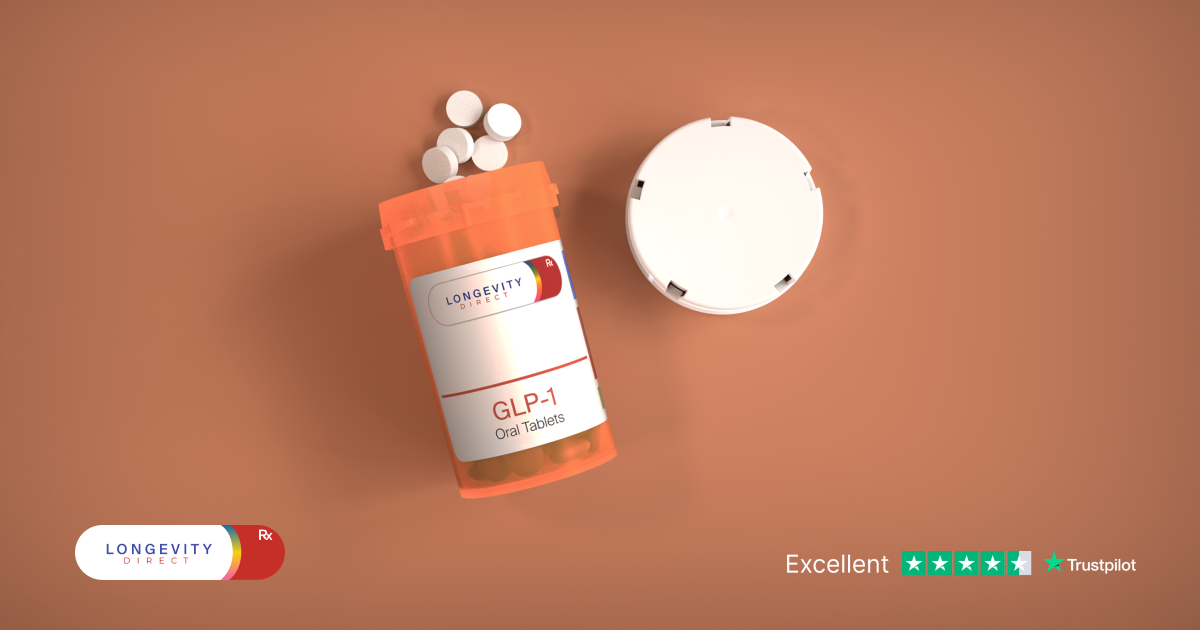
GLP-1 receptor agonists are widely recognized for their role in medical weight management and blood sugar regulation. However, as research and clinical experience expand, new conversations are emerging around how these medications may influence athletic performance and body composition.
While GLP-1 therapies are not performance-enhancing drugs in the traditional sense, they can impact metabolic efficiency, appetite regulation, and fat mass reduction. For athletes and physically active individuals, understanding the relationship between GLP-1 use, muscle preservation, and overall metabolic balance is essential.
GLP-1 (glucagon-like peptide-1) is a hormone involved in regulating appetite, insulin secretion, and energy balance.
GLP-1 receptor agonists:
These effects contribute to weight reduction, but they also influence how the body utilizes nutrients.
Discussions around GLP-1 and metabolic health increasingly highlight the hormone’s role in optimizing energy balance rather than simply reducing body weight.
For athletes, the goal is rarely just weight loss—it is improved body composition.
Body recomposition refers to reducing fat mass while preserving or increasing lean muscle mass. Unlike traditional dieting, which may reduce both fat and muscle, recomposition emphasizes metabolic quality rather than scale numbers.
GLP-1 medications may support fat reduction by controlling appetite and stabilizing insulin levels. However, preserving muscle mass requires intentional strategies.
GLP-1 therapies are known to support fat loss through appetite suppression and caloric reduction.
Clinical observations suggest that weight loss associated with GLP-1 medications often includes reductions in visceral fat—the type stored around internal organs. Lower visceral fat levels are linked to improved metabolic efficiency and cardiovascular health.
For athletes aiming to enhance endurance or agility, reduced excess fat mass may contribute to improved performance metrics such as speed-to-weight ratio.
One concern with any weight-loss intervention is the potential loss of lean muscle mass.
Athletes using GLP-1 medications must prioritize adequate protein consumption to protect muscle tissue. Reduced appetite can inadvertently lower total caloric and protein intake.
Strength training becomes even more critical when using appetite-regulating medications. Progressive overload stimulates muscle retention and growth, counteracting potential lean mass decline.
When integrated thoughtfully, semaglutide for body recomposition may complement structured nutrition and resistance training plans.
Athletic performance depends on sufficient energy availability.
Because GLP-1 medications reduce hunger cues, some athletes may unintentionally consume fewer calories than required for optimal performance.
Symptoms of underfueling may include:
Working with a sports nutrition professional ensures caloric intake supports training intensity.
Metabolic stability influences recovery efficiency.
Improved insulin sensitivity may enhance nutrient partitioning—directing carbohydrates and amino acids toward muscle repair rather than fat storage.
Excess adipose tissue can contribute to systemic inflammation. By reducing fat mass, GLP-1 therapies may indirectly support a more favorable recovery environment.
However, direct performance enhancement claims should be approached cautiously, as research in athletic populations remains limited.
Athletic performance relies on hormonal equilibrium.
GLP-1 interacts with other appetite-regulating hormones such as ghrelin. Over time, appetite stabilization may support sustainable body composition maintenance.
Excess caloric restriction can elevate cortisol levels, impairing recovery and muscle retention. Monitoring stress and sleep patterns remains important during any metabolic intervention.
Athletes considering GLP-1 therapy should evaluate multiple factors.
All GLP-1 use must occur under medical supervision. Individual health history, training intensity, and metabolic needs influence dosing decisions.
Goals should be clearly defined. Is the focus on improving metabolic markers, reducing fat mass, or enhancing endurance? A tailored approach ensures alignment with performance objectives.
Tracking more than body weight is essential. Relevant metrics include:
These indicators provide a comprehensive view of adaptation.
While GLP-1 therapies may support metabolic improvements, they are not substitutes for disciplined training and nutrition.
Athletic excellence still depends on structured programming, skill development, and recovery optimization.
Current clinical trials primarily focus on obesity and metabolic disorders rather than athletic performance outcomes. As such, data specific to competitive athletes remains limited.
As understanding of metabolic regulation evolves, GLP-1 therapies may become part of broader discussions in sports medicine and body composition management.
Future research may explore:
Careful evidence-based evaluation will guide responsible integration.
GLP-1 therapies represent a significant advancement in metabolic health management. For athletes and physically active individuals, their role extends beyond weight loss into the realm of body composition and metabolic efficiency.
When combined with adequate nutrition, resistance training, and medical supervision, GLP-1–based interventions may support fat reduction while preserving lean mass. However, they should be viewed as tools within a comprehensive performance strategy rather than standalone solutions.
As research continues, the relationship between GLP-1, athletic performance, and sustainable body composition will become clearer, offering new insights into the intersection of metabolism and sport.