Phone:
(701)814-6992
Physical address:
6296 Donnelly Plaza
Ratkeville, Bahamas.
Phone:
(701)814-6992
Physical address:
6296 Donnelly Plaza
Ratkeville, Bahamas.
You want a reliable way to replace lost teeth, but it’s not always obvious which option fits your situation. When it comes to dental implants in Champaign, IL, single-tooth implants work well for one missing tooth, multiple implants replace several adjacent teeth, and full-arch systems restore an entire row—each option comes with its own procedure, cost, and maintenance needs.
Let’s break down how each approach affects your timeline, comfort, durability, and budget. You’ll see side-by-side comparisons of the surgical steps, recovery, outcomes, and what each choice means for your daily life and long-term dental health.
Single implants replace one tooth. Multiple implants restore gaps or several missing teeth. Full-arch options rebuild an entire upper or lower jaw. Each approach comes with its own implant count, surgical complexity, cost, and timeline.
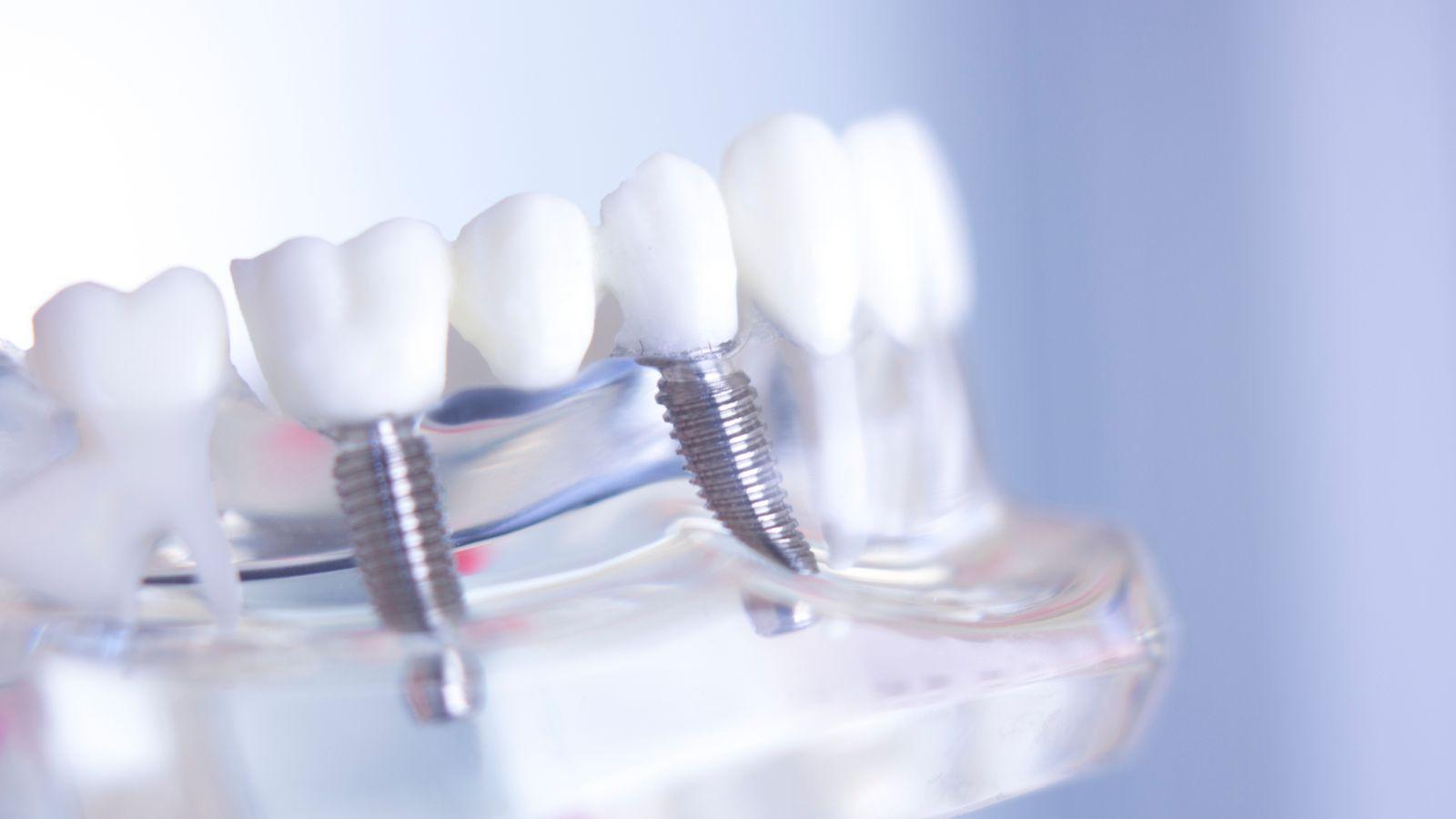
A single-tooth implant replaces one missing tooth with a titanium post in your jawbone, topped by a custom crown. You keep your neighboring teeth untouched—no grinding for a bridge.
Healing and osseointegration usually take a few months, and you might wear a temporary tooth in the meantime. They’ll use local anesthesia during surgery, and you’ll come back for impressions and final crown placement.
You’ll notice better chewing, preserved bone, and a tooth that looks and feels real. Maintenance? Just brush, floss, and show up for your checkups.
If you’re missing several teeth in a row, multiple implants can support individual crowns or a bridge. Two or more implants anchor a fixed bridge, replacing three or more teeth without touching healthy ones.
Planning considers space, bone, and how much pressure each implant will take. Sometimes you’ll need bone grafts or a sinus lift before the implants go in.
Healing time is similar to single implants, but coordinating multiple crowns or a bridge can stretch out the process. You’ll get more stability and chewing power than with partial dentures.
Costs depend on how many implants you need, whether you need grafting, and the type of bridge or crowns you choose. Always ask for a detailed plan and a cost estimate upfront.
Full-arch restoration replaces all teeth in your upper or lower jaw. This might mean All-on-4/All-on-X or several individual implants holding a fixed prosthesis.
Usually, you’ll get 4–6 implants per arch to support a full set of teeth. Sometimes you’ll walk out with temporary teeth the same day, but the final set comes after everything heals.
Candidacy depends on your health, jawbone, and how committed you are to oral hygiene. Bone grafting might be needed, but not always.
You’re trading removable dentures for a fixed, stable set of teeth that lets you chew, talk, and smile with more confidence. The upfront cost is higher, but you get better durability and easier daily care compared to removable options.
Let’s look at how planning, surgery, and recovery differ for single-tooth, multiple-teeth, and full-arch implants. Focus is on the choices you’ll face, the typical steps, and what recovery really looks like.
Your dentist checks your oral health, bone volume, and bite. They’ll do a clinical exam, take X-rays, and probably order a CBCT scan to measure bone.
These images help pick the right implant size and angle, and decide if you need bone grafting or a sinus lift. Your medical history and meds matter too—they affect timing and anesthesia.
Single implants need a focused assessment. For multiple or full-arch cases, the team looks at your bite, opposing teeth, and how things will look. You’ll get a plan that lays out when you’ll get your temporary and final teeth.
A surgical guide or digital plan is usually made for accurate placement. For full-arch, planning includes prosthesis design, how many implants, and whether you’ll get teeth right away or in stages.
Single-tooth implants mean one hole in the bone, one titanium post, and either a healing cap or abutment. Local anesthesia is standard, and you’ll probably get stitches. If the implant is stable, they might pop in a temporary crown right away.
Multiple-tooth implants can mean one implant per tooth or a bridge supported by fewer implants. Placement involves several holes, and sometimes they’ll add bone grafts if needed. You might get a temporary bridge during healing.
Full-arch solutions use 4–6 implants per arch, set in just the right spots to hold a full prosthesis. Surgeons often pull remaining teeth, place the implants, and attach a temporary set of teeth in one session if things are stable enough.
Soft-tissue healing takes about 1–2 weeks. Expect some pain and swelling, and you’ll need to stick to soft foods for a bit.
Single implants usually reach full strength in 3–4 months, depending on your bone and whether you needed grafts.
Multiple implants heal in a similar window, but if you needed extra procedures like sinus lifts, it might take longer. Sometimes you’ll wait 3–6 months before using the implants, unless they’re stable enough for immediate use.
Full-arch cases with immediate loading let you leave with temporary teeth, but the final set comes after 3–6 months. You’ll come back for checkups, bite adjustments, and X-rays to make sure everything’s solid.
Implant options differ in how long they last, how natural they look and feel, and what you’ll need to do to keep them healthy. Single and multiple implants usually last a long time. Full-arch work is more complex, and maintenance depends on your restoration and daily care.
Single-tooth implants usually last, with survival rates over 95% after 5–10 years if you have healthy bone and a good fit.
Multiple implants with bridges hold up well too, but bridges can have more issues—think screw loosening or porcelain chipping.
Full-arch solutions like All-on-4 work well in the short and mid-term, but the prosthesis might need more upkeep over time. Smoking, uncontrolled diabetes, poor bone, and gum disease can shorten implant life.
Honestly, it’s worth asking your dentist for stats on the system they use. Not all implants are created equal.
A single implant can look just like a natural tooth, especially if the neighbors and bone are in good shape.
Implant-supported bridges restore your bite and smile, but matching the shape and gum line takes some skill.
Full-arch restorations give you back your bite and facial support, but the teeth might not have the same translucency as single crowns. You’ll notice immediate function with the temporary set, but perfecting the look and bite usually takes a few visits.
Clean your implants daily with a soft brush and interdental brushes for tight spots. For bridges or full-arch bars, you’ll need floss threaders or a water flosser.
See your dentist every 3–6 months for checkups, X-rays, and a cleaning tailored to your implants.
Watch for warning signs—looseness, bleeding, pus, or soreness. If something feels off, don’t wait. Early treatment can save your implant and prosthesis.
Costs run from a few thousand per tooth to tens of thousands for a full arch. Whether you’re eligible depends on your bone, health, and budget.
You’ll have to weigh upfront costs, long-term value, and how easy it is to get to a specialist or find financing.
Single-tooth implants usually cost $3,000–$6,000 per tooth, including the post, abutment, and crown. If you need several, the cost adds up fast.
Multiple-tooth solutions—like bridges or All-on-4/All-on-6—lower the cost per tooth since fewer implants support more teeth. Full-arch treatments can run $15,000–$90,000, depending on materials, number of implants, and lab fees.
Extras like bone grafts, sinus lifts, temporary teeth, and sedation can tack on $500–$5,000 or more. Always ask for an itemized quote and a phased plan so you know what you’re getting into.
Most dental insurance won’t pay for the implant itself, but some will help with crowns or parts of the prosthesis. Always double-check your plan—look for fine print about “implant fixtures” and annual limits.
Financing options include dental payment plans, third-party lenders like CareCredit, or in-office installments. Interest rates and terms vary, so compare the total cost, not just the monthly payment.
FSAs and HSAs can often be used for implants. Get a financial breakdown before you start, and ask if the clinic offers discounts for full-arch treatment versus paying per tooth.
You might qualify for implants if you’ve got enough jawbone, manage your health conditions (like keeping diabetes under control), and keep your mouth clean. Smoking, untreated gum disease, and some meds—like bisphosphonates—can lower your chances of success or mean you need extra steps.
If your bone isn’t up to par, your dentist might suggest bone grafting or even zygomatic implants. These options can open the door but usually cost more and take longer.
Age doesn’t really rule you out, unless you’re a kid whose jaw is still growing. The implant team will probably want a CBCT scan and a deep dive into your medical history. If implants don’t fit your situation, they should talk you through other options, like bridges or removable implant-supported dentures.