Phone:
(701)814-6992
Physical address:
6296 Donnelly Plaza
Ratkeville, Bahamas.

Phone:
(701)814-6992
Physical address:
6296 Donnelly Plaza
Ratkeville, Bahamas.
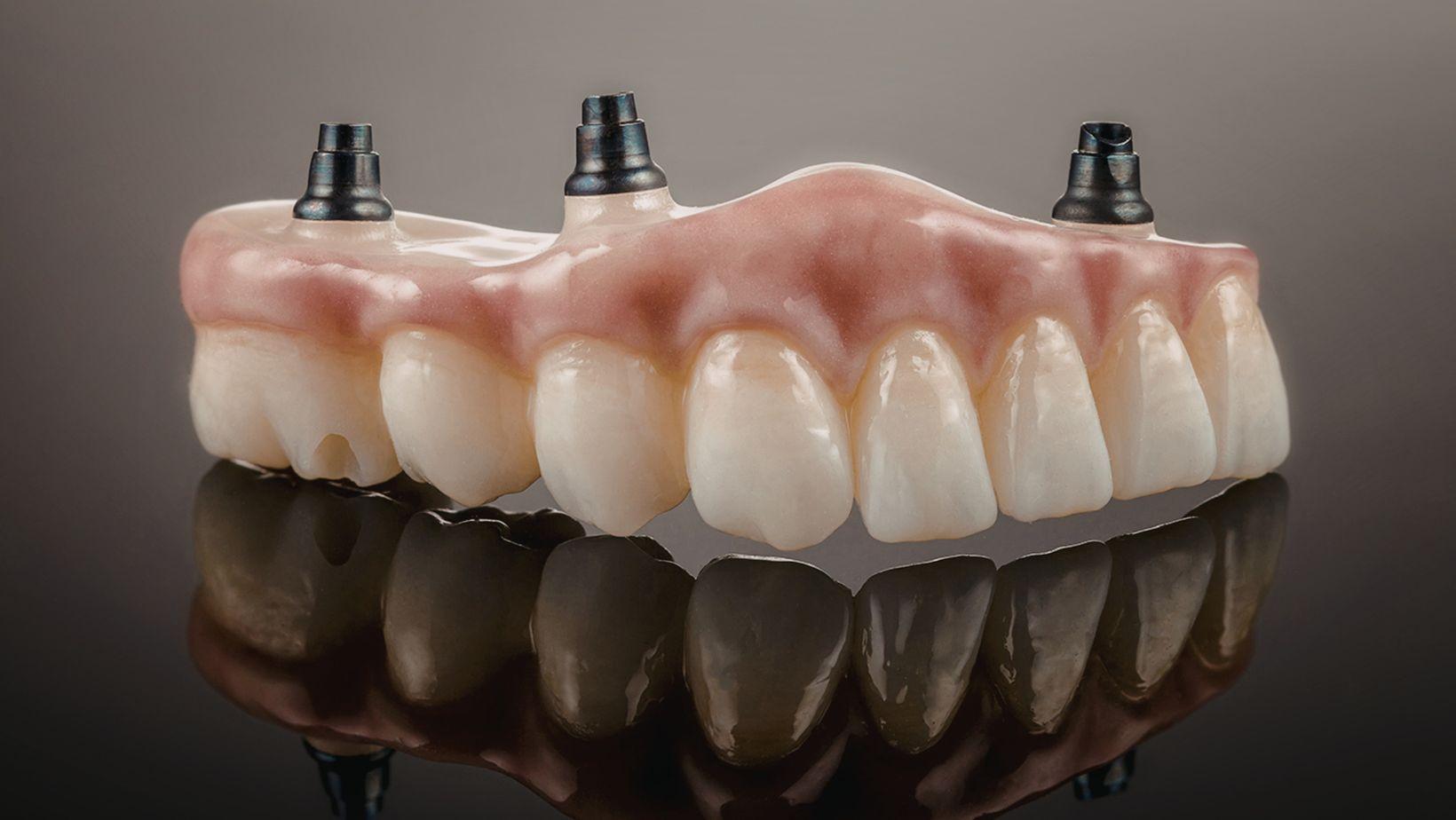
Losing a tooth forces a practical choice: replace it with an implant, a bridge, or a denture. Each option changes your bite, daily routine, cost, and long-term oral health in its own way.
So, what matters most to you? If you want something that lasts and feels like a real tooth, dental implants in Woodbury, MN usually win. If you care more about upfront cost or need to replace several teeth, bridges or dentures might be better.
Here's a plain-English breakdown of how each option works, what you'll feel, and what you'll need to do to keep things running smoothly. Use this as a foundation before you talk details with your dentist.
Let’s get into what each option is made of, how dentists place them, and what you should expect for function, maintenance, and cost.
A dental implant has three parts: a titanium root, an abutment (that’s your connector), and a crown (the visible tooth). The implant fuses with your jawbone, which keeps things solid and helps preserve bone.
You’ll need two to four visits over a few months. The dentist drills a spot, puts in the implant, and waits for it to heal before adding the abutment and crown.
If your jawbone’s a bit thin, you might need a bone graft first. Local anesthesia does the trick, and you’ll feel sore for a few days after.
You’ll brush and floss daily, just like with real teeth, and see your dentist for checkups. Implants cost more upfront, but if you take care of them, they can last decades.
Dentures replace several missing teeth and can be removable or implant-supported. Full dentures cover an entire arch, while partials fill smaller gaps and clip onto your remaining teeth.
Removable dentures rest on your gums and need suction, adhesives, or clasps to stay put. You’ll need some time to get used to talking and chewing with them—expect sore spots and occasional relining as your gums and bone change.
Most people replace or rebase removable dentures every 5 to 8 years. Cleaning means soaking them at night and brushing regularly.
Implant-supported dentures snap onto implants for more stability and less bone loss, but they cost more and need surgery.
A dental bridge fills a gap using two main types: traditional (crowns on neighboring teeth) or implant-supported (crowns on implants). Traditional bridges require the dentist to prep the teeth next to the gap, which removes some healthy enamel.
Bridges are usually made of porcelain fused to metal, ceramic, or zirconia. You’ll get back to chewing and smiling fast—sometimes in just a couple of visits.
They last about 7 to 15 years, depending on care and materials. You’ll need to floss under the bridge and keep the supporting teeth clean to avoid decay.
Bridges don’t come out, but they can put extra stress on neighboring teeth and don’t keep your jawbone from shrinking like implants do.
Let’s talk about what you’ll feel, what you’ll need to do daily, and what others might notice.
Dental implants anchor right into your jaw, so your tongue and lips treat them like real teeth. Most people don’t notice much change in pronunciation, and you can bite into apples or steak with confidence.
Implants restore chewing power close to natural teeth—usually 80 to 100% of what you had before.
Bridges feel stable since they’re fixed in place. Your speech adjusts pretty quickly, though if you have a big bridge, you might notice a slight change at first.
Chewing strength is good for most foods, but you might skip really hard or sticky snacks to keep things safe.
Dentures rest on your gums and can wiggle, especially lower full dentures. You may notice a lisp or shifting when you talk, and it takes practice to sound natural again.
Chewing power drops to about 20–40% of normal, so you’ll probably eat softer foods and cut up tougher stuff.
Implants need the same care as natural teeth: brush twice a day, floss daily or use interdental brushes, and get regular dental checkups.
Watch for redness or swelling around the implant and see your dentist quickly if you spot problems. Professional cleanings every 3 to 6 months help keep your gums healthy.
Bridges need careful cleaning under the fake tooth using floss threaders, interdental brushes, or a water flosser. The supporting teeth need extra attention because any decay or gum disease there can wreck the whole bridge.
Plan on dental visits every six months to make sure everything’s fitting right.
Dentures need to come out at night for soaking and daily cleaning with a denture brush and special cleaner. You might need adhesives for lower dentures.
As your jaw and gums change, you’ll need relines or rebases every year or two, plus checkups to make sure your mouth stays healthy.
Implants look the most natural because the crown matches your other teeth and sits right at the gumline. They also help keep your face’s shape by preserving bone.
If you want a seamless, permanent look, implants are hard to beat.
Bridges can look great when the teeth next to the gap are healthy and the lab does a good job matching color and shape. If those teeth have fillings or gum recession, the edges of the bridge might show over time.
Bridges don’t stop bone loss under the missing tooth, so your face shape can change slowly.
Dentures can improve your smile right away and you can pick the tooth shape and color. But if the fit isn’t perfect or the gum color doesn’t match, they might look a bit off.
Bone loss over time can change your smile’s look, so you’ll need adjustments to keep things looking natural.
Let’s weigh the big three: your jaw and gum health, how long each option lasts, and what you’ll pay now and down the line.
Your jawbone and gums decide if implants are even possible. You need enough bone and healthy gums; if the bone’s too thin, you might need a graft.
Active gum disease, heavy smoking, uncontrolled diabetes, or certain meds (like some osteoporosis drugs) can lower your chances for implant success.
Bridges need strong, healthy teeth next to the gap. If those teeth are in good shape, you can skip surgery.
Dentures work well for people missing lots of teeth or with significant bone loss, but you’ll need frequent adjustments if your jaw changes.
Definitely talk with your dentist about your health history, habits like teeth grinding, and get some X-rays to see what’s possible.
Implants usually last the longest because the titanium post fuses with your bone. With good care and regular checkups, implants and their crowns can stick around for 15 to 30 years or more.
Bridges last about 7 to 15 years, depending on how well you care for them and the health of the supporting teeth. If those teeth get cavities or root issues, you might need a new bridge sooner.
Dentures often last 5 to 8 years before you need a reline or replacement due to bone loss and normal wear. Maintenance is ongoing—plan for relines, new teeth, or repairs as needed.
Upfront implant costs hit the hardest—think implant post, abutment, crown, and sometimes bone grafts or sinus lifts. The total price swings a lot depending on where you live and how tricky your case is.
You also need to add in costs for imaging, extractions, and those follow-up visits. Bridges usually cost less than a full set of implants, but they’re pricier than basic dentures.
Bridges might need replacing every decade, so that’s something to keep in mind for the long run. Dentures come in as the most affordable option at first.
Full dentures and partials cost less up front, but you’ll probably spend more later on relines, adhesives, or replacements. Insurance tends to cover part of the cost for bridges and dentures.
Implants, though? Many plans just cover a piece of the bill—or sometimes nothing at all. Always double-check your coverage details, annual maximums, and whether you need preauthorization, so you’re not caught off guard by out-of-pocket expenses.